As a homeowner, maintaining a comfortable and energy-efficient home is crucial, especially for older homes with outdated ductwork. However, many homeowners are unaware of the importance of regular ductwork assessment and optimization. In this article, we will provide a comprehensive checklist for HVAC contractors who specialize in assessing and optimizing ductwork in older homes.
Why This Checklist Matters
Regular ductwork assessment and optimization can significantly improve indoor air quality, reduce energy consumption, and prevent costly repairs. According to the U.S. Department of Energy, a well-designed and well-maintained duct system can improve heating and cooling efficiency by up to 30%. Moreover, a poorly designed or maintained duct system can lead to health issues, such as respiratory problems and allergies, caused by poor indoor air quality.
Pre-Assessment and Inspection
- Conduct a thorough visual inspection of the ductwork, including joints, connections, and seals.
- Check for any signs of damage, rust, or corrosion.
- Measure duct size, material, and insulation quality.
- Verify duct connections to HVAC equipment and ensure proper sealing.
- Inspect air filters and clean or replace them as necessary.
Assessment and Diagnosis
- Use specialized equipment, such as thermal imaging cameras, to detect temperature irregularities and energy leaks.
- Conduct a blower door test to measure air tightness and detect potential leaks.
- Perform a duct leak test to identify and quantify leaks.
- Analyze ductwork layout and design for optimal airflow and pressure.
- Evaluate HVAC equipment performance and capacity.
Optimization and Repair
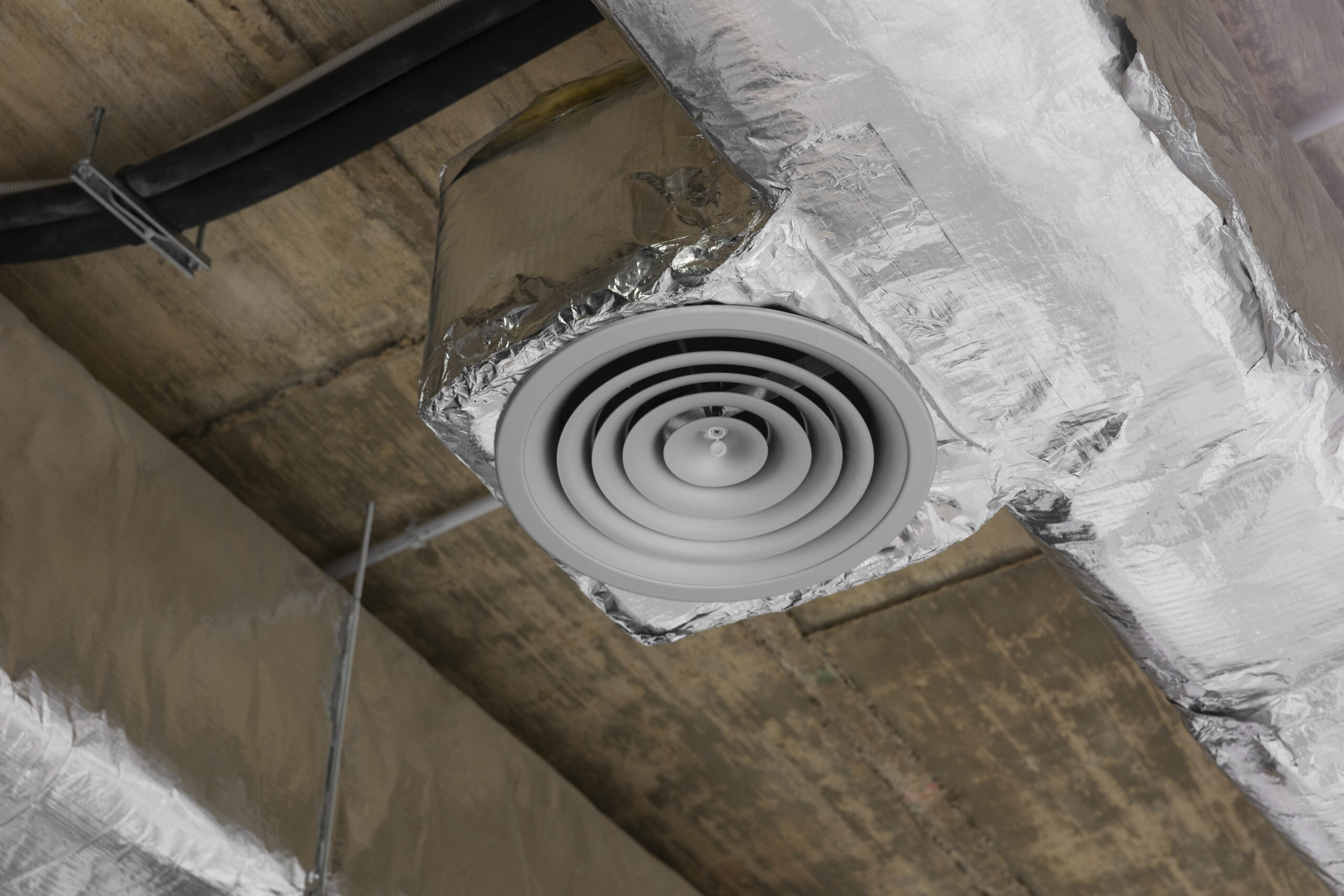
- Seal and insulate ducts, including joints, connections, and seams.
- Upgrade or replace existing duct material, such as fiberglass or flex duct.
- Add or modify ducts to improve airflow and pressure balance.
- Clean and inspect HVAC equipment, including coils, fans, and motors.
- Repair or replace damaged or faulty components.
Post-Optimization and Maintenance
- Schedule regular ductwork maintenance, including cleaning and inspection.
- Educate homeowners on proper ductwork care and maintenance.
- Provide recommendations for future ductwork upgrades or repairs.
How to Use This Checklist
This comprehensive checklist is designed to help HVAC contractors who specialize in assessing and optimizing ductwork in older homes. Follow these steps to ensure a thorough and effective assessment and optimization process:
- Conduct a thorough visual inspection of the ductwork.
- Use specialized equipment to detect temperature irregularities and energy leaks.
- Analyze ductwork layout and design for optimal airflow and pressure.
- Evaluate HVAC equipment performance and capacity.
- Seal and insulate ducts, including joints, connections, and seams.
- Upgrade or replace existing duct material, such as fiberglass or flex duct.
- Add or modify ducts to improve airflow and pressure balance.
- Schedule regular ductwork maintenance, including cleaning and inspection.
Common Mistakes
- Mistake 1: Failing to inspect and diagnose ductwork properly, leading to ineffective optimization and potential safety hazards.
- Mistake 2: Using low-quality or incompatible materials for ductwork repairs, compromising energy efficiency and indoor air quality.
- Mistake 3: Neglecting to educate homeowners on proper ductwork care and maintenance, leading to future problems and costly repairs.
Frequently Asked Questions (FAQ)
Q: What is the best material for ductwork? A: The best material for ductwork is flexible, insulated, and resistant to heat, moisture, and corrosion. Consider using high-quality materials, such as flex duct or insulated fiberglass.
Q: How often should I inspect and maintain my ductwork? A: Regular inspections and maintenance should be performed every 1-2 years, depending on usage and environmental conditions.
Q: Can I optimize my ductwork myself? A: While some tasks can be performed by homeowners, it is highly recommended to hire a professional HVAC contractor to ensure thorough and effective assessment and optimization.
Q: What are the benefits of proper ductwork optimization? A: Proper ductwork optimization can improve indoor air quality, reduce energy consumption, and prevent costly repairs.
Q: Can I finance ductwork optimization and repair? A: Yes, many HVAC companies offer financing options for ductwork optimization and repair, including utility rebates and government incentives.
As a homeowner, take the first step towards a more comfortable and energy-efficient home by hiring a qualified HVAC contractor to assess and optimize your ductwork. Contact a local HVAC company today to schedule a comprehensive assessment and optimize your ductwork for improved indoor air quality, reduced energy consumption, and peace of mind.
By Calixto Armas